

Pre-empting the prime minister: 3 lessons from previous changes at Number 10
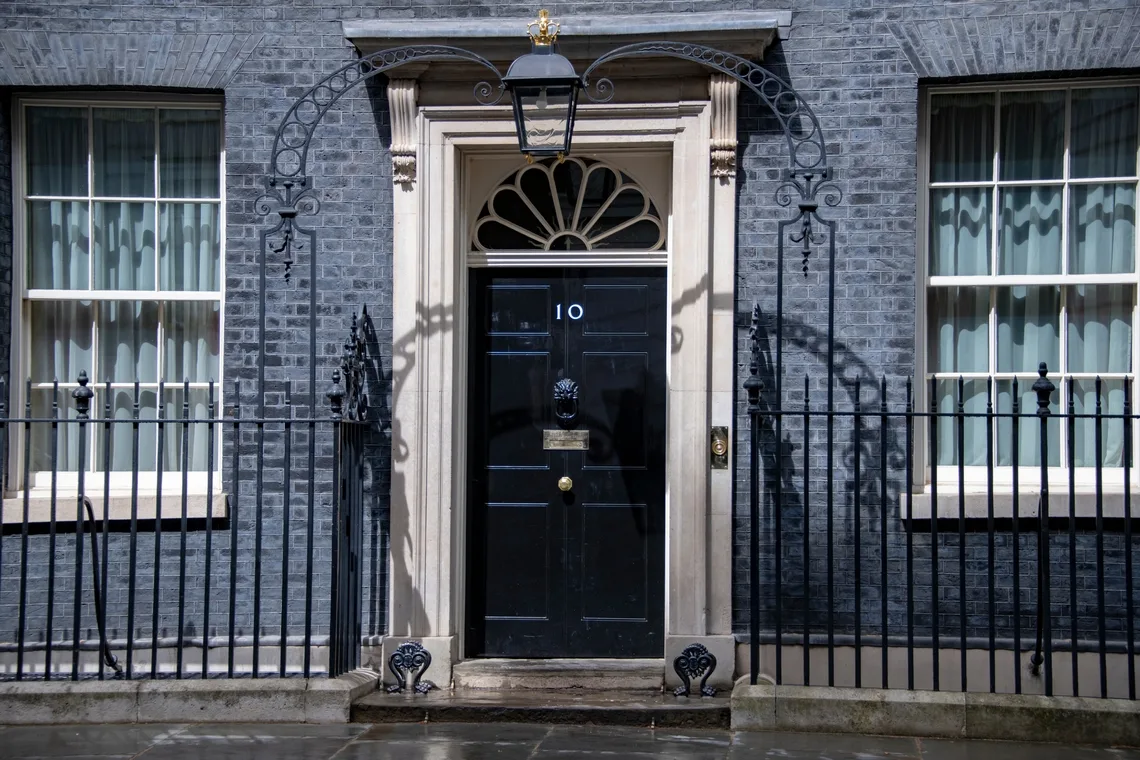
Andy Burnham’s appointment as the UK’s new prime minister has triggered widespread speculation around the fiscal policy changes he could be planning.
With the new chancellor, John Healey, set to deliver his first Budget on 28 October 2026, we can expect a plethora of new rumours over the next few weeks.
Such reports can be unsettling. You may even feel tempted to take pre-emptive action to shield your finances from the supposed changes.
However, it’s crucial to remember that rumours are not guarantees. Time and again, we’ve seen commentators miss the mark completely when predicting the contents of a government Budget. By changing your financial plan to align with changes that never come to fruition, actions intended to protect your finances could turn out to be quite damaging.
Here are just three examples of pre-Budget speculation that failed to accurately predict the contents of a Budget and what they can teach us as we head towards the 2026 Autumn Budget.
#1 The lump sum rush: Rumours are rarely credible
In the run-up to the 2025 Autumn Budget, many believed the government was planning to reduce the amount you could take from your pension as a tax-free lump sum.
As a result, there was a rush to withdraw tax-free cash before the rules changed. According to research cited by Pensions Age, 57% of the 5,000 retirees surveyed took their lump sum ahead of the Budget.
However, the tax-free lump sum limit remained unchanged – and still does, as of August 2026.
The decision to withdraw your pension lump sum is irreversible. Your tax-free entitlement cannot be renewed, and you could even trigger a tax charge.
Find out more about the Annual Allowance charge for excess pension contributions
As such, many who rushed to take their cash ahead of the speculated changes may have struggled to continue growing their funds tax-efficiently.
In fact, Pensions Age reports that 61% of those who took their lump sum ahead of the 2025 Autumn Budget regretted their decision.
This “lump sum rush” perfectly exemplifies the risk of acting on media speculation. Rumours can come from a range of sources with varying credibility. They may be based on exaggerations, misinterpretations, or hypotheticals. Ultimately, speculation alone is rarely a solid foundation for a financial decision.
#2 Business and Agricultural Relief: Even confirmed policies can change
In the 2024 Autumn Budget, former chancellor Rachel Reeves announced that Business Relief and Agricultural Relief for Inheritance Tax (IHT) would be capped at £1 million from April 2026.
The plans were met with significant pushback. As a result, the policy was eventually finalised with a higher cap of £2.5 million and the ability for partners to combine their allowances for a maximum of £5 million.
As we approach the 2026 Autumn Budget, it may help to remember that a policy may still be subject to change between when it’s announced and when it comes into effect. Not only can this mean you have some time to amend your financial plan ahead of the changes, but it also exemplifies the futility of trying to pre-empt fiscal policy.
Of course, this won’t always be the case. Some new policies can take effect immediately, and some will go ahead as originally planned from the start of the next tax year. However, it’s worth noting that further changes can – and do – occur outside of the Budget announcements.
#3 Truss’s sweeping tax cuts: Policy changes are unpredictable
In September 2022, former prime minister Liz Truss and former chancellor Kwasi Kwarteng delivered the government’s “mini-Budget”.
The Budget contained several widely unexpected policy changes, perhaps most notably a total of £45 billion in tax cuts. Among these sweeping cuts were the abolition of the additional rate of Income Tax, a reduction to the basic rate, and scrapped increases to corporation tax and National Insurance (NI).
Ultimately, the majority of these changes were quickly reversed by Truss’s successor.
While the mini-Budget may be an extreme example, it serves to demonstrate just how unpredictable a new leader’s fiscal policies can be. Outside of the government, none of us – including media commentators – can say with any certainty what changes could be around the corner.
As such, changing your financial plan based on speculation is unlikely to achieve your intended outcomes.
Keep calm and carry on
Rather than scrambling to keep up with media speculation around potential changes, it may be wise to wait and see what Healey announces on 28 October.
If you’re an avid planner, you might consider creating a plan of action for different scenarios and readying yourself to implement it once the policies are announced. But any pre-emptive action should be treated with caution – especially if that action will be irreversible.
Remember, your J Edward Sellars team will be here to support you through the Budget. If you’re concerned about what could be coming or considering making any changes ahead of the Budget, please get in touch for support in weighing your options.
Once we know the content of the Budget, your financial planner will be ready to explain any changes that may affect you and work with you to create a suitable plan to continue working towards your long-term goals.
Email enquiries@jesellars.co.uk or call 01934 875 919 to find out more about how we can help you.
Please note
This article is for general information only and does not constitute advice. The information is aimed at individuals only.
All information is correct at the time of writing and is subject to change in the future.
Please do not act based on anything you might read in this article. All contents are based on our understanding of HMRC legislation, which is subject to change.
The Financial Conduct Authority does not regulate estate planning or tax planning.
A pension is a long-term investment not normally accessible until 55 (57 from April 2028). The fund value may fluctuate and can go down, which would have an impact on the level of pension benefits available. Past performance is not a reliable indicator of future performance.
The tax implications of pension withdrawals will be based on your individual circumstances. Thresholds, percentage rates, and tax legislation may change in subsequent Finance Acts.
How can we help?
Have questions about your finances, your future, or unexpected funds? Get in touch for a free, friendly chat.